
Vectra Vectra ← Home
Salsa Music
Genre Hub

Salsa

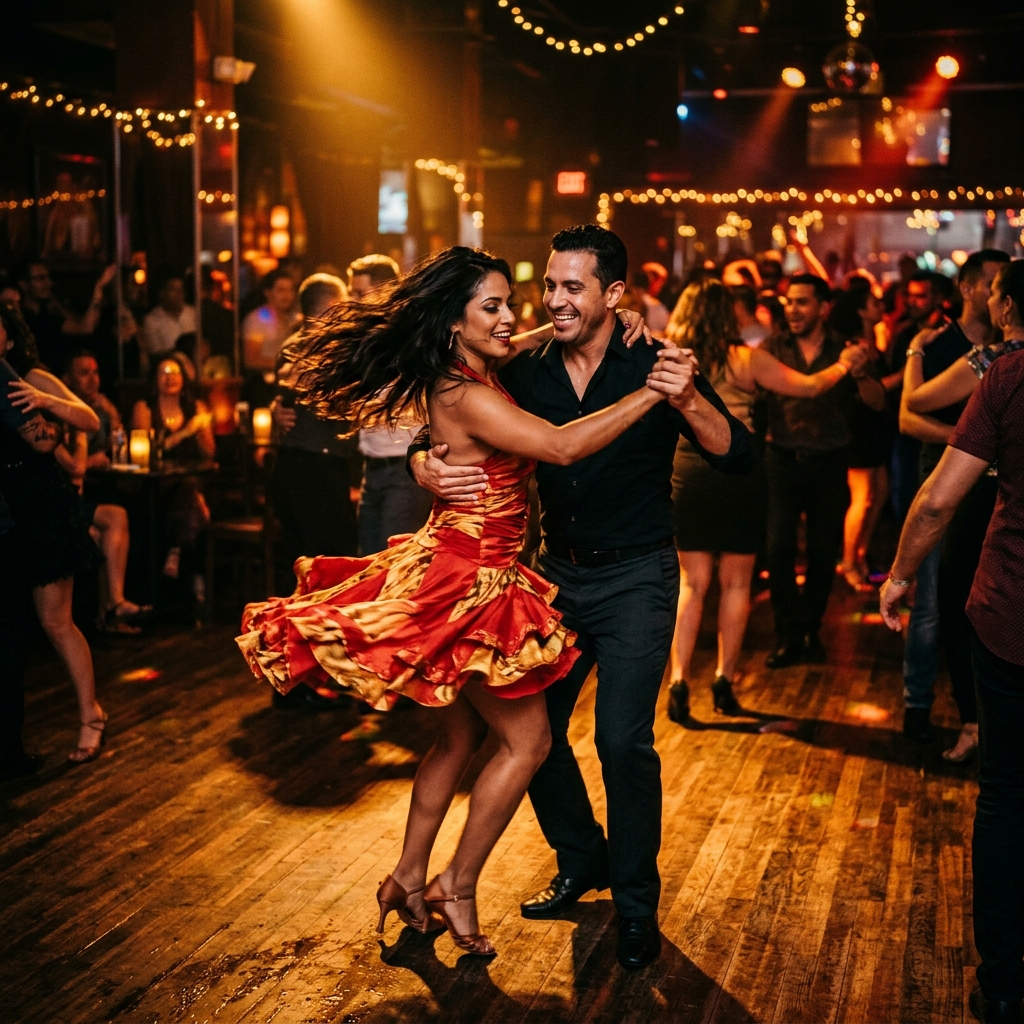
Born in the barrios of New York City, forged from Cuban son, Puerto Rican rhythms, and jazz improvisation, salsa is the sound of the Caribbean diaspora. From the brass-driven streets of the Bronx to dance floors in Cali, Havana, and beyond, this music moves the world.

🎵 Listen to Salsa Central

What Is Salsa Music?

So somebody put on a salsa track at a party and you caught yourself moving without even thinking about it. Now you want to know... what is salsa music, really? Where did it come from? And why does everybody seem to argue about what counts as salsa and what doesn't?

Here's the short answer: salsa is not a single genre. It's an umbrella term that covers a whole family of Afro-Cuban and Caribbean music styles that evolved over more than a century. Some were born in the countryside of eastern Cuba. Others came to life on the streets of New York. Some showed up in Havana in the 1990s with funk and hip hop influences nobody saw coming.

But they all share one thing: the clave. That rhythmic heartbeat that holds the whole thing together. To really understand what salsa music is, you have to follow the timeline, from son cubano and guaracha through mambo, boogaloo, Fania Records, salsa romántica, and timba.

Continue Reading →
Salsa Music and Dancing

Styles of Salsa

Salsa isn't one sound. It's a family of rhythms, each with its own energy, history, and personality on the dance floor.

🎸

Son Cubano

The root of all salsa. Born in eastern Cuba, son created the blueprint that every salsa band still follows: clave, montuno, call-and-response vocals.

Learn more →
🎤

Guaracha

Fast, witty, and full of sabor. The Cuban vocal tradition that gave salsa its rapid-fire energy and made Celia Cruz a legend.

Learn more →
🥁

Guaguancó

The Afro-Cuban rumba percussion tradition that became salsa's rhythmic backbone. Drums, voices, and the courtship dance called vacunao.

Learn more →
🎻

Charanga

Elegance, flutes, and violins. The Cuban ensemble that created the cha-cha-chá and proved Latin music doesn't need brass to move you.

Learn more →
🎺

Mambo

The big band explosion that fused Cuban rhythms with jazz, packed the Palladium Ballroom, and brought Latin music to mainstream America.

Learn more →
🎹

Descarga

The Latin jam session where musicians improvised brilliance over the clave. Cachao started it. Every great salsa solo descends from it.

Learn more →
💃

Pachanga

The early 1960s dance craze that bridged charanga and salsa. Short-lived, high-energy, and impossible to sit through.

Learn more →
🕺

Latin Boogaloo

When young Latino musicians fused mambo with R&B, sang in English, and bridged two cultures in 1960s New York.

Learn more →
🎵

Montuno

The engine inside every salsa song. The repeating piano pattern and the open section where the singer improvises and the energy peaks.

Learn more →
💕

Salsa Romántica

The love song revolution of the 1980s. Smoother arrangements, romantic lyrics, and the era that brought Marc Anthony to the world.

Learn more →
🔥

Timba

Cuba's modern revolution. Funk, hip hop, jazz, and Afro-Cuban religion collide in the most complex, intense music under the salsa umbrella.

Learn more →

Salsa by the Numbers

The global reach and cultural impact of salsa music and dance.

1960s
Decade Born in NYC
160+
Countries with Salsa Scenes
4/4
Time Signature (Clave)
150-250
Typical BPM Range
Salsa Central
Featured Channel

Salsa Central

A growing collection of original salsa music spanning several styles, from hard-hitting salsa dura with brass-heavy arrangements to smooth salsa romántica and the infectious rhythms of salsa cubana.

🎧 Explore Channel →

Learn About Salsa

Dive deeper into the world of salsa, its history, styles, and culture.

Complete Guide

What Is Salsa Music?

Salsa isn't one genre. It's a whole family. From son cubano to timba, the complete breakdown of every subgenre, era, and cultural moment.

Read Article →
Genre Guide

What Is Son Cubano?

The root of all salsa music. Son cubano originated in eastern Cuba and created the blueprint that every salsa band still follows today.

Read Article →
Genre Guide

What Is Guaracha?

Fast, funny, and full of sabor. The Cuban vocal tradition that gave salsa its rapid-fire energy and made Celia Cruz a legend.

Read Article →
Genre Guide

What Is Guaguancó?

The Afro-Cuban rumba tradition that became salsa's rhythmic backbone. Percussion, voices, and the courtship dance explained.

Read Article →
Genre Guide

What Is Charanga?

Elegance, violins, and the birth of cha-cha-chá. The Cuban ensemble that proved Latin music doesn't need brass to move a dance floor.

Read Article →
Genre Guide

What Is Mambo?

The big band explosion that fused Cuban rhythms with jazz, packed the Palladium Ballroom, and brought Latin music to mainstream America.

Read Article →
Genre Guide

What Is Descarga?

The Latin jam session where Cuba's greatest musicians improvised brilliance over the clave. Cachao started it. Salsa inherited it.

Read Article →
Genre Guide

What Is Pachanga?

The early 1960s dance craze that bridged charanga and salsa. Short-lived, high-energy, and impossible to sit through.

Read Article →
Genre Guide

What Is Latin Boogaloo?

Young Latino musicians fused mambo with R&B, sang in English, and created the most important genre you've never heard of.

Read Article →
Music Theory

What Is the Montuno?

The engine inside every salsa song. The piano pattern that drives the groove and the song section where the magic happens.

Read Article →
Genre Guide

What Is Salsa Romántica?

The love song revolution that divided purists, dominated radio, and brought millions of new fans to salsa in the 1980s and 90s.

Read Article →
Genre Guide

What Is Timba?

Cuba's modern revolution. Funk, hip hop, jazz, and Afro-Cuban religion collide in the most intense music under the salsa umbrella.

Read Article →

Frequently Asked Questions

Common questions about salsa music and dance.

The main styles include salsa dura (hard salsa with heavy brass and percussion, born in 1970s New York), salsa romántica (smoother, love-themed salsa from the 1980s), salsa cubana (rooted in Cuban son and timba), and modern/urban salsa fusions that incorporate elements of reggaeton, funk, and electronic music.
Salsa emerged in the 1960s and 1970s from New York City's Latino communities, primarily Cuban and Puerto Rican immigrants. It drew on Cuban son, Puerto Rican bomba y plena, jazz, and other Caribbean rhythms. The term "salsa" was popularized by Fania Records, though the musical roots extend back decades into Cuban and Caribbean musical traditions.
A typical salsa band includes congas, timbales, bongos, claves, cowbell, piano (or keyboard), bass, trumpets, and trombones. Some bands also feature flute, violin, or even synthesizers. The clave pattern, played on two wooden sticks, is the rhythmic foundation that holds everything together.
Salsa dura is the original aggressive, brass-heavy New York style with emphasis on percussion, improvisation, and socially conscious lyrics. Salsa romántica emerged in the 1980s as a commercial alternative, featuring softer arrangements, smoother vocal delivery, and lyrics focused almost exclusively on love and romance. Both remain popular today, though salsa dura is more commonly heard in concert settings while romántica dominates radio and streaming.